 TimeMeal
Understanding Meal Timing and Daily Routines
Educational content on how meal timing relates to lifestyle patterns
Introduction to Meal Timing and Lifestyle Routines
Meal timing refers to the schedule and pattern of when individuals consume food throughout the day. This concept intersects with daily lifestyle routines, which encompass work schedules, exercise timing, sleep patterns, and other regular activities.
Understanding meal timing in the context of lifestyle patterns is important for educational awareness. Different individuals follow different eating schedules based on their personal circumstances, work environments, and daily commitments.
This informational resource explores various approaches to meal timing, the relationship between eating patterns and daily routines, and how these factors interact in everyday life.

Benefits of Structured Eating Schedules

Structured eating schedules refer to consistent patterns of meal timing throughout the day. Research in nutrition science examines various patterns and their relationship to daily functioning.
- Regular meal timing can support consistent energy levels
- Structured schedules may align with daily work and activity patterns
- Predictable eating times can facilitate social meal situations
- Consistency in meal timing relates to digestive regularity
- Planned eating patterns accommodate various lifestyle commitments
These points represent general educational observations about meal timing patterns, not personalized recommendations.
Lifestyle Patterns and Nutrition Interplay
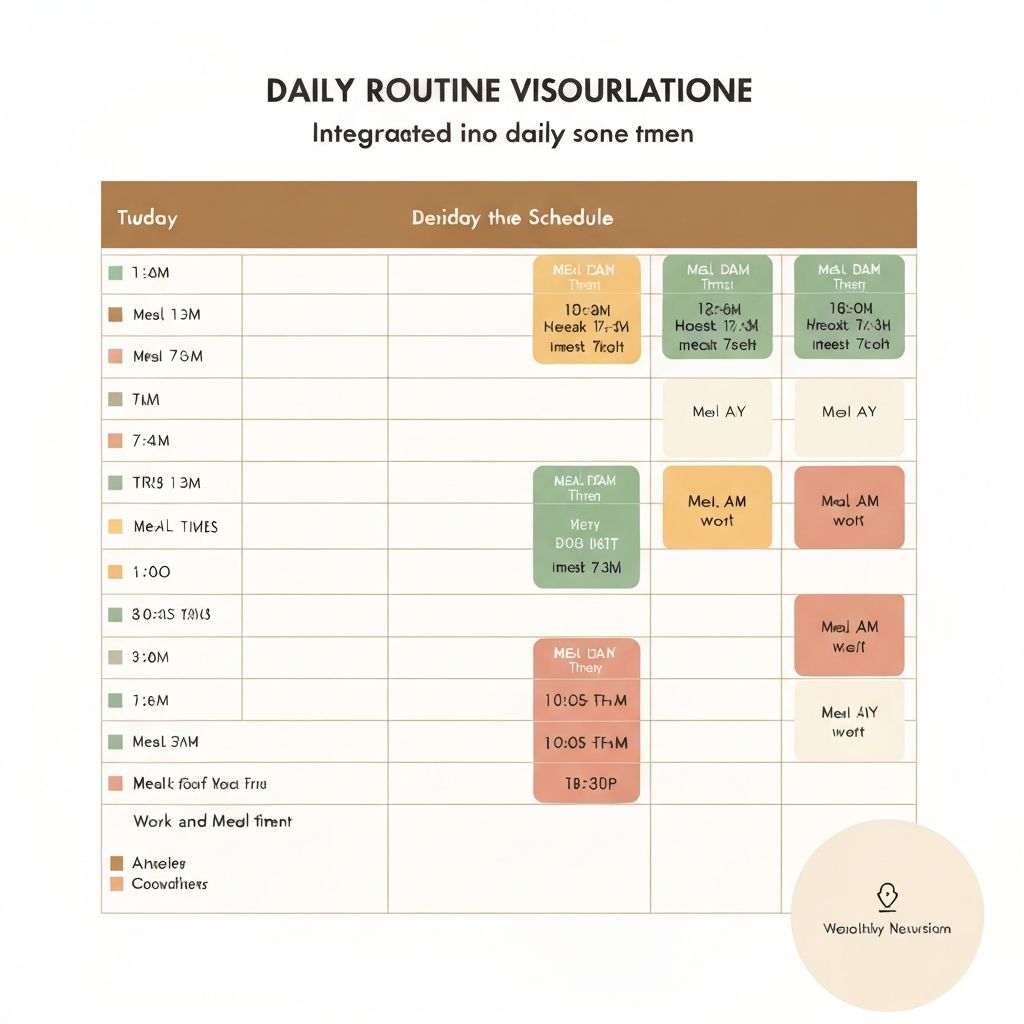
Daily lifestyle patterns—including work hours, exercise timing, sleep schedules, and social commitments—naturally influence when individuals consume meals. These patterns vary widely based on personal circumstances, occupation, family situation, and cultural factors.
Different work environments create different meal timing opportunities. For example, office workers may take midday meals during lunch breaks, while shift workers follow different schedules. Agricultural or manual workers may adjust eating patterns to work intensity.
Physical activity and exercise timing also relate to meal scheduling. Athletes and active individuals often consider activity timing when planning food consumption. Daily exercise routines, whether morning, afternoon, or evening, intersect with meal timing choices.
Sleep patterns and waking times establish the framework for daily meal timing. Early risers may have earlier breakfast times, while later sleep schedules shift meal patterns accordingly. The relationship between sleep and eating patterns is an area of ongoing educational study.
Common Misconceptions About Meal Timing
Several common beliefs about meal timing warrant clarification:
- Meal timing alone does not determine overall health outcomes
- Different eating schedules work for different individuals and situations
- Food quality and overall nutrition patterns matter alongside timing
- Individual needs vary based on lifestyle, work, and personal factors
- No single meal timing approach suits everyone universally
This educational content presents general information about meal timing variations, not medical or personalized nutritional advice.

Featured Blog Articles
Explore detailed educational articles about meal timing and daily routines:

Structured Meal Timing
Understanding different approaches to meal timing throughout the day
Read in detail
Daily Lifestyle and Nutrition
How daily routines and work schedules relate to eating patterns
Read in detail
Balancing Meals with Routines
Managing meal timing within typical daily schedules and commitments
Read in detailFrequently Asked Questions
Educational Content Only
No medical services. No promises of outcomes.
This website provides educational information about meal timing and daily lifestyle routines for general knowledge purposes only. It is not a substitute for professional medical advice.